Temple Gavaksha Meaning: Chandrashala and Kudu Architectural Motifs
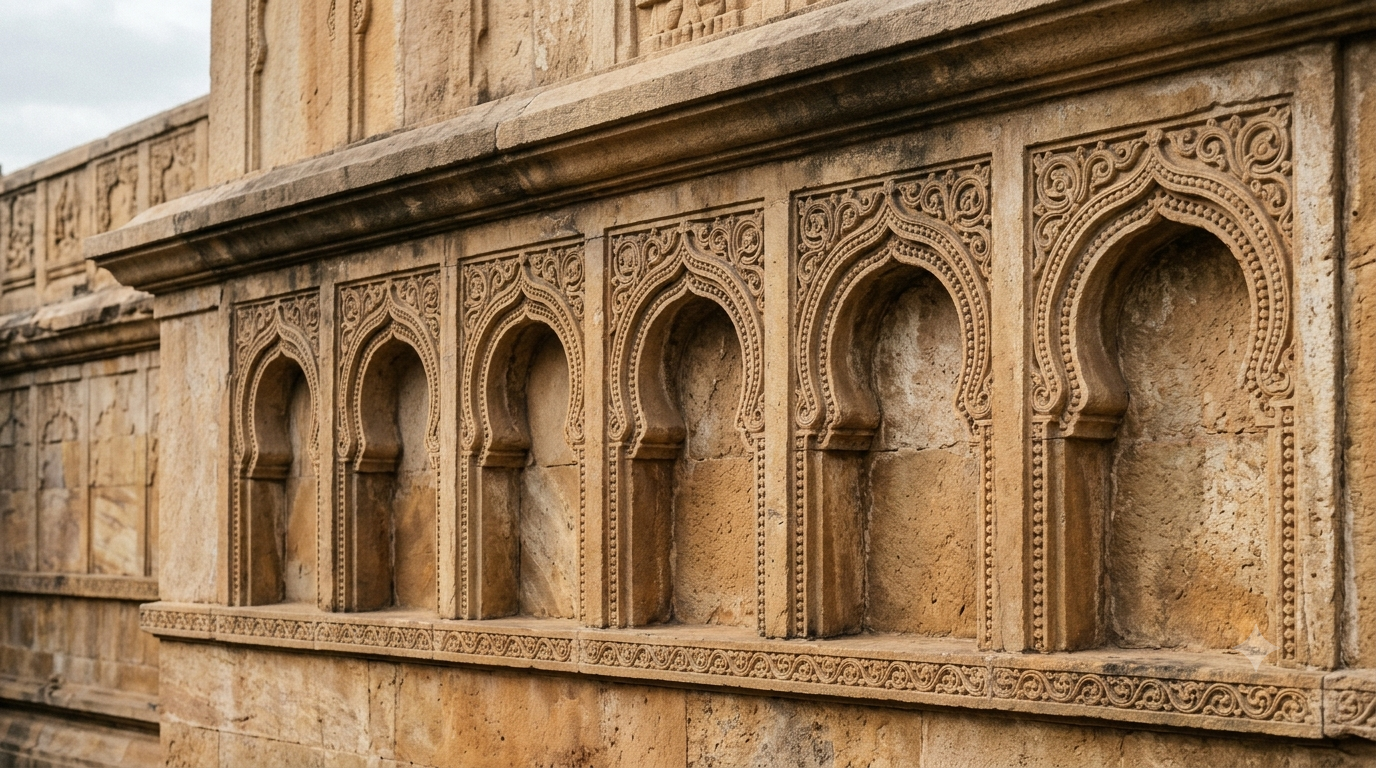
Temple gavaksha meaning explained with chandrashala and kudu arches, their roots in chaitya halls, and contrasts with real windows, toranas and gopurams.
 Temples Map Desk
Temple gavaksha meaning explained with chandrashala and kudu arches, their roots in chaitya halls, and contrasts with real windows, toranas and gopurams.
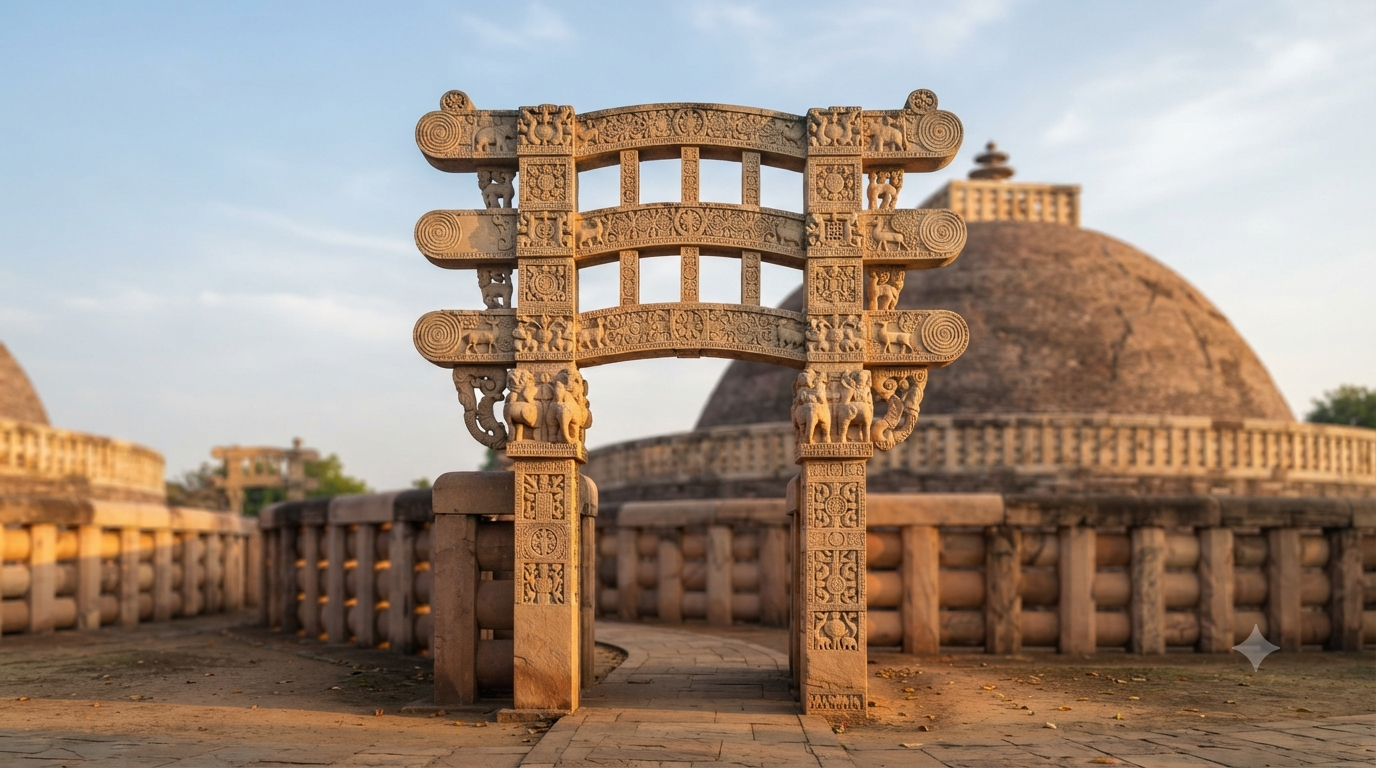
Temple torana meaning explained through Sanchi’s crossbeams, pillars and Buddhist carvings, plus Hindu arched gateways and key differences from gopurams.
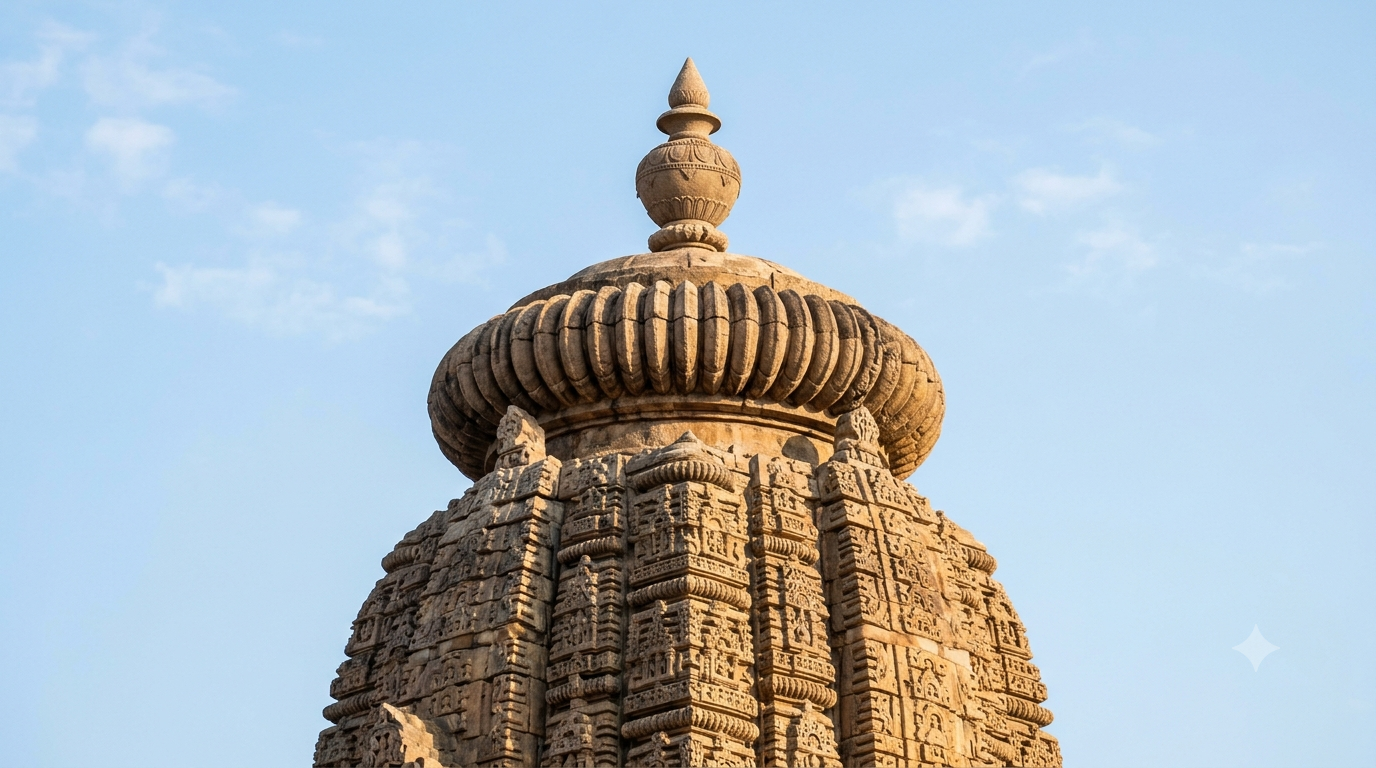
Temple amalaka meaning explained with Getty’s architectural definitions: learn the ribbed stone crown, its kalasha finial and its place on Nagara towers.
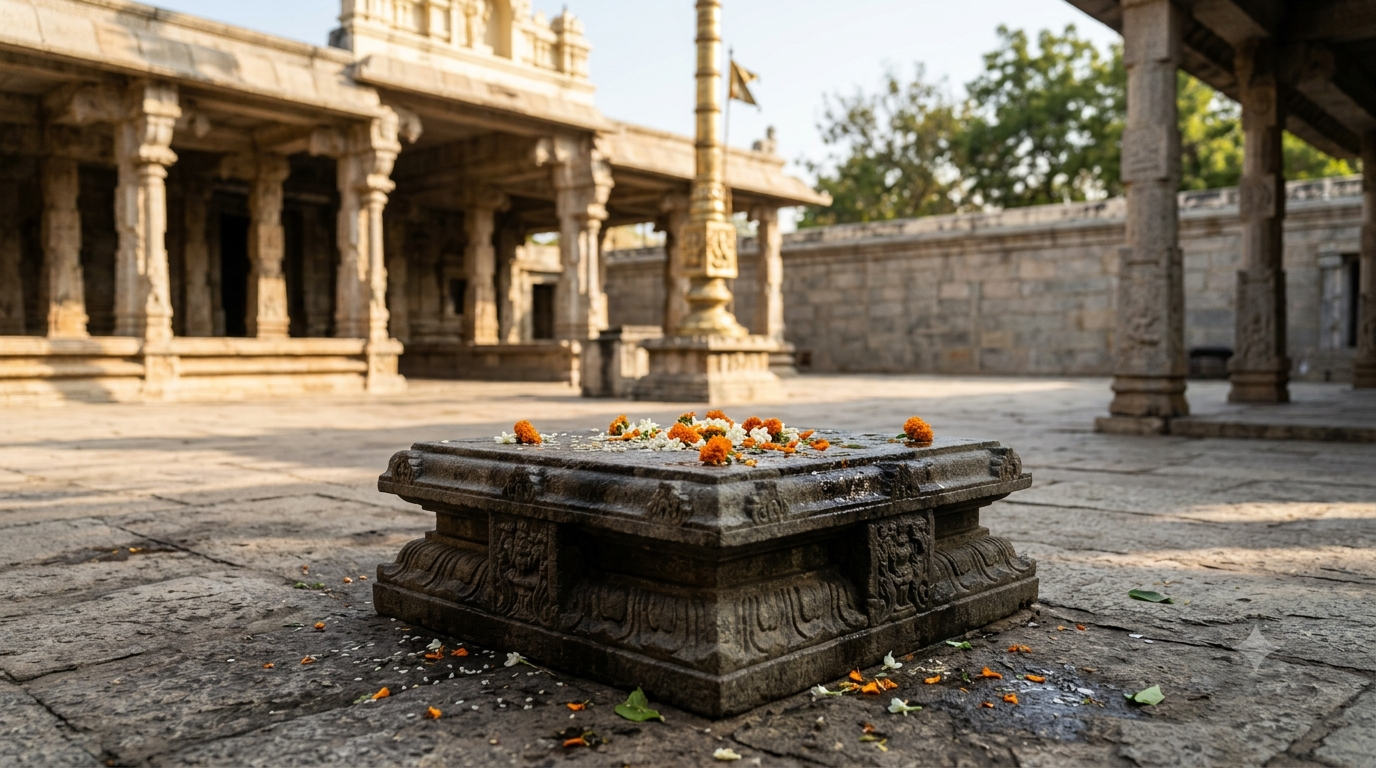
Temple balipitha meaning in Shaiva worship: see why the altar receives offerings, where it may stand, and how it differs from flagstaffs and lamp pillars.
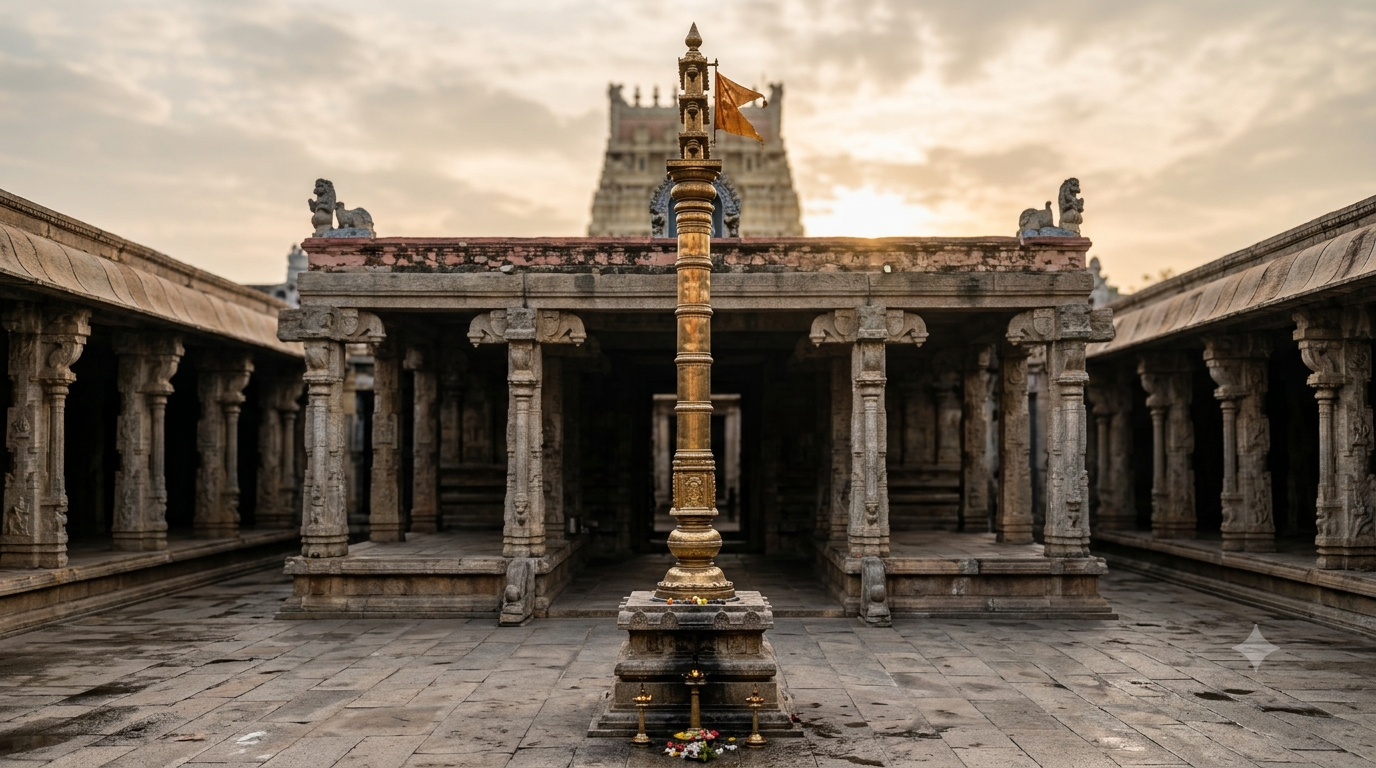
Temple dhwajasthambam meaning made clear: discover the kodimaram flagstaff, how festival flags work, and why it differs from lamp pillars and temple towers.
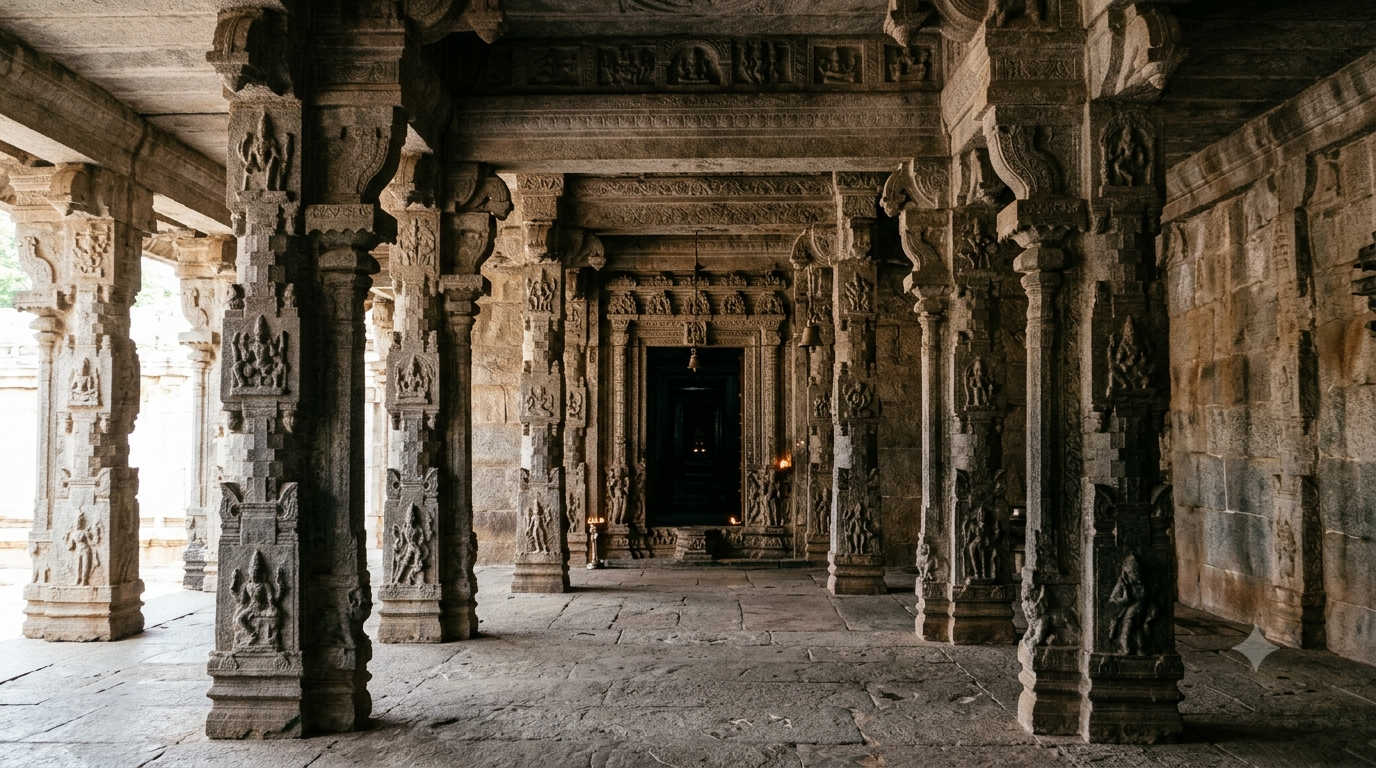
Antarala meaning is the vestibule between the sanctum and mandapa. See verified plans from Belur and Somanathapura, plus why it is not a paid darshan category.
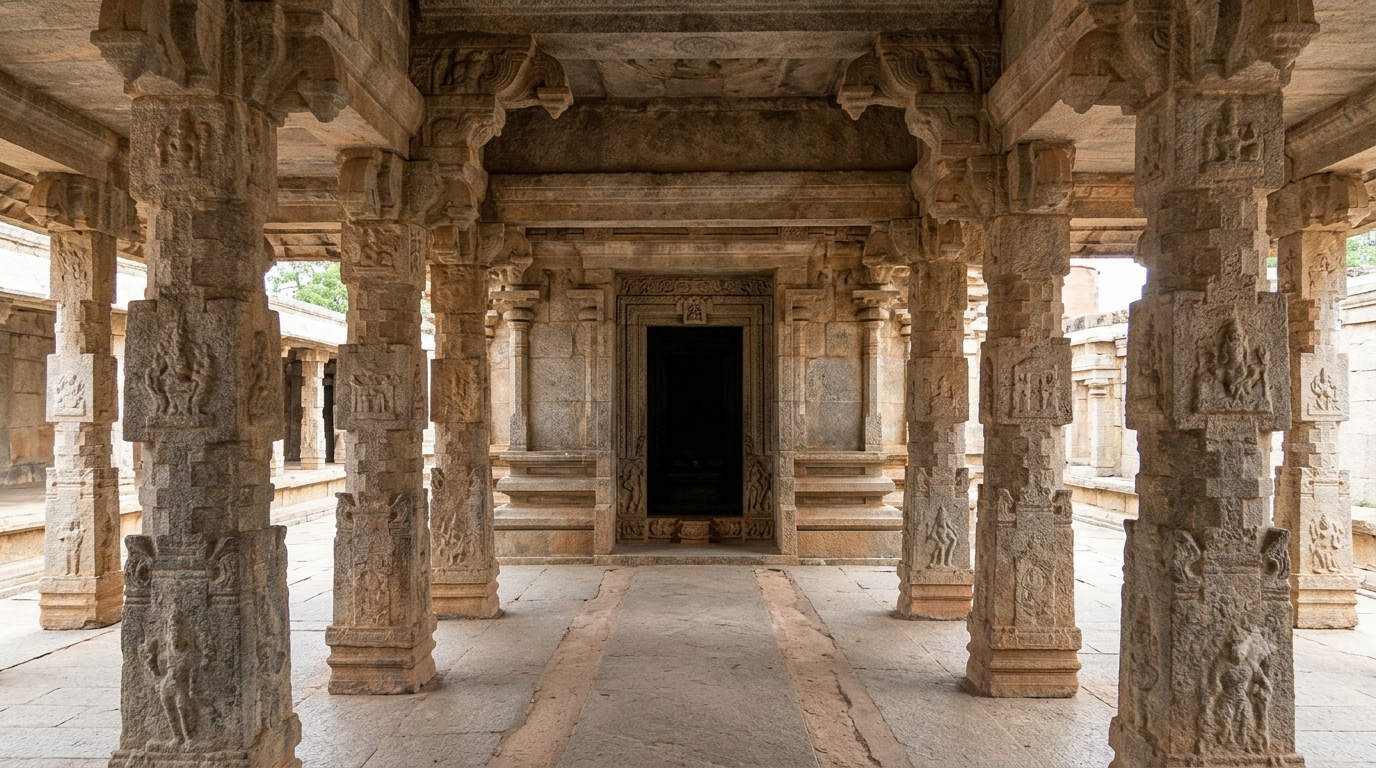
Garbhagriha meaning explained through UNESCO heritage plans: learn what the Hindu temple sanctum contains and how it differs from halls, towers and enclosures.
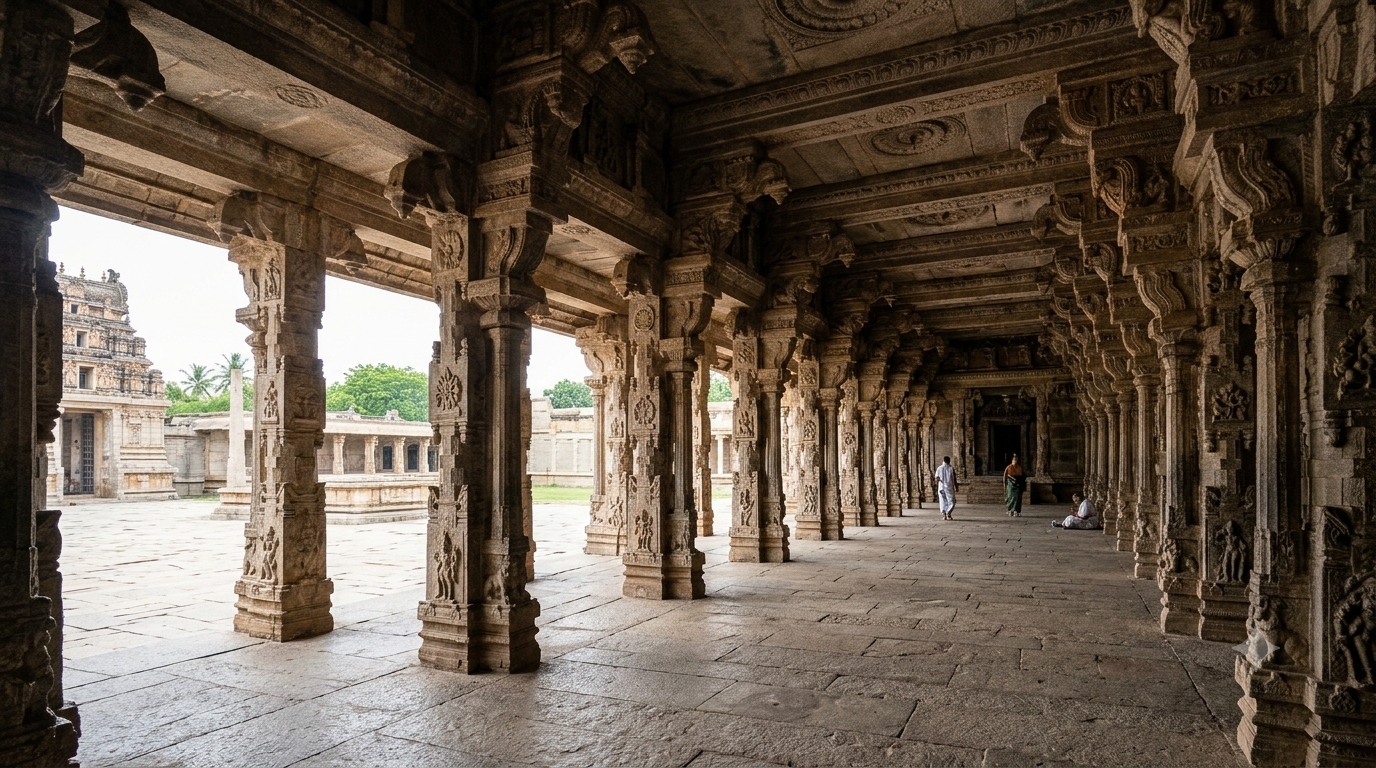
Temple mandapa meaning explained through hall types, heritage glossary definitions and temple examples, including why a wedding hall is not a booking offer.
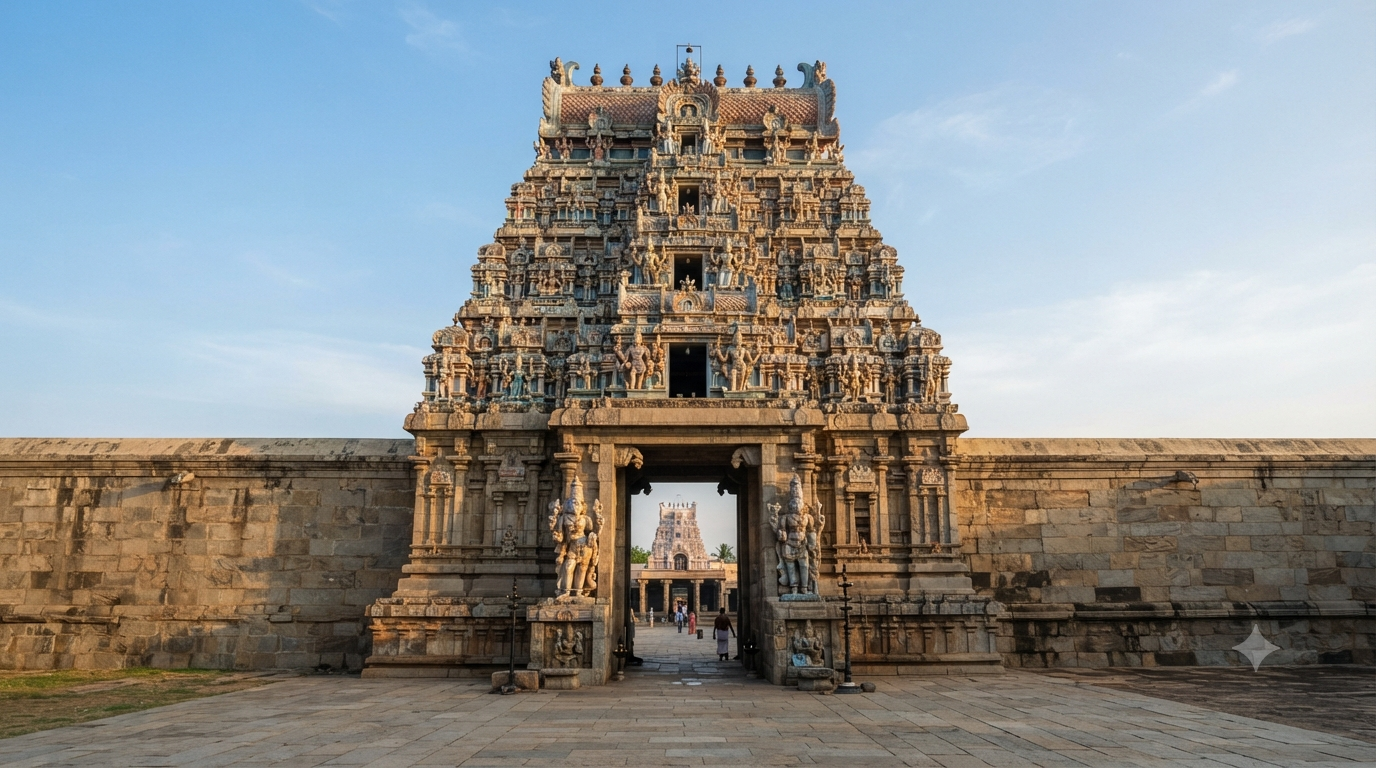
Temple gopuram meaning explained with gateway architecture, vimana and mandapam differences, and examples from Madurai, Srirangam, Hampi, Kerala and Tirumala.
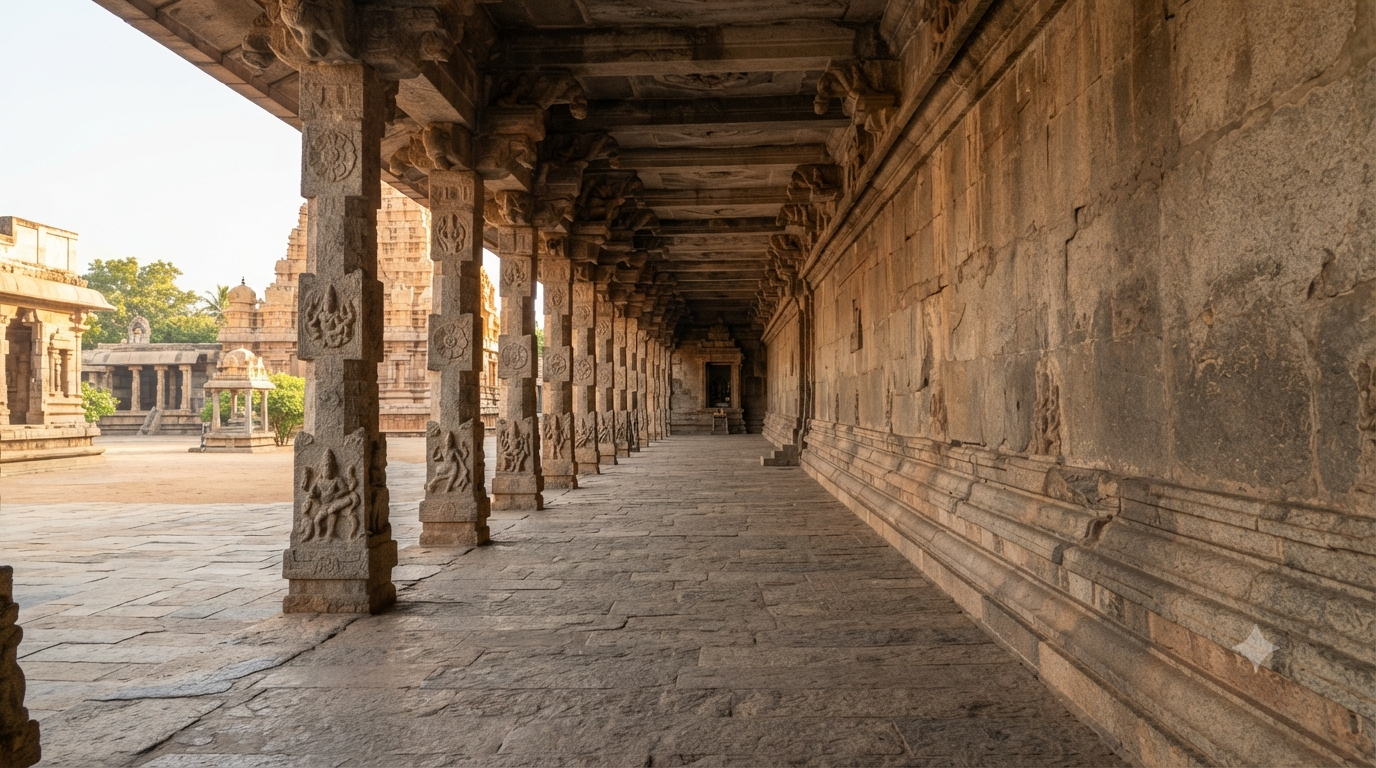
Temple prakaram meaning explained through enclosure walls, circumambulation paths and temple corridors, with careful examples from Srirangam and Madurai.