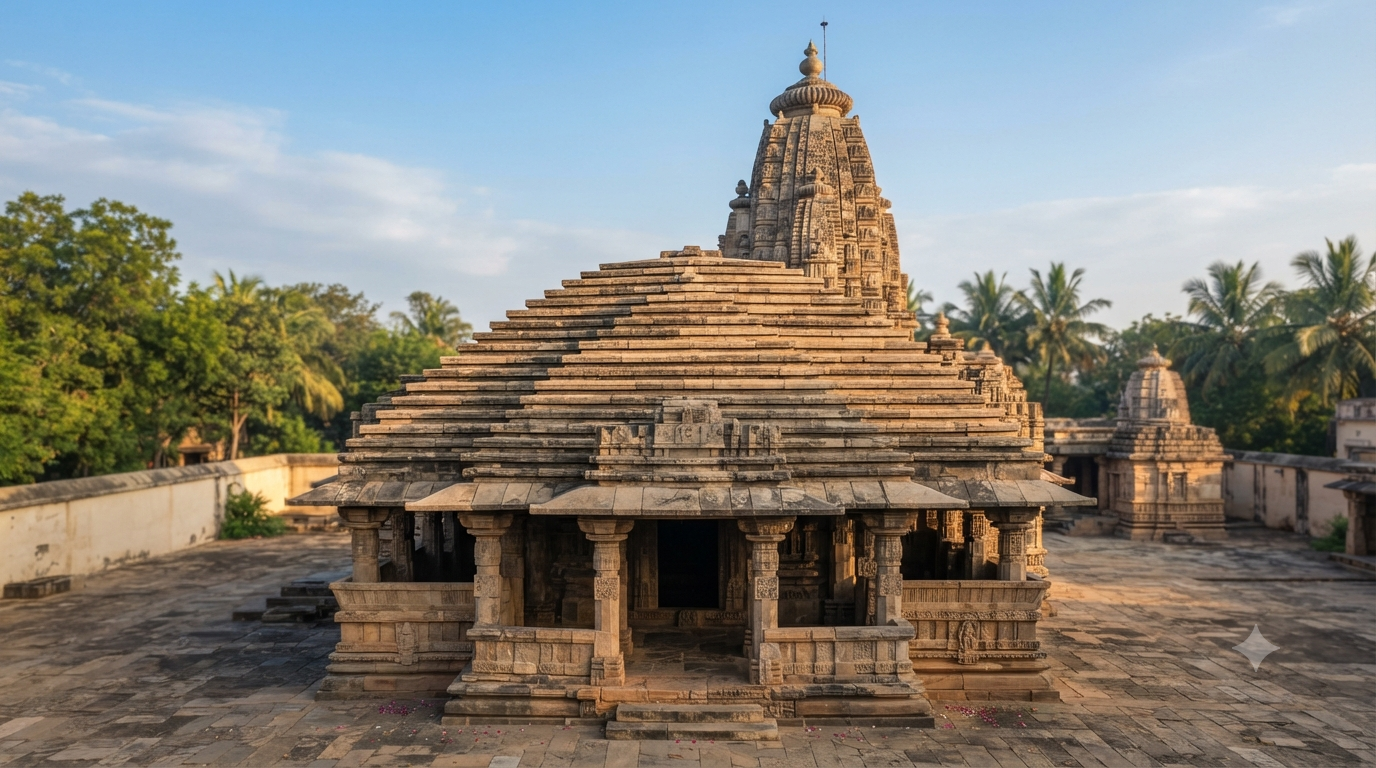
Bhumija Temple Towers: Vertical Bands and Miniature Shrines
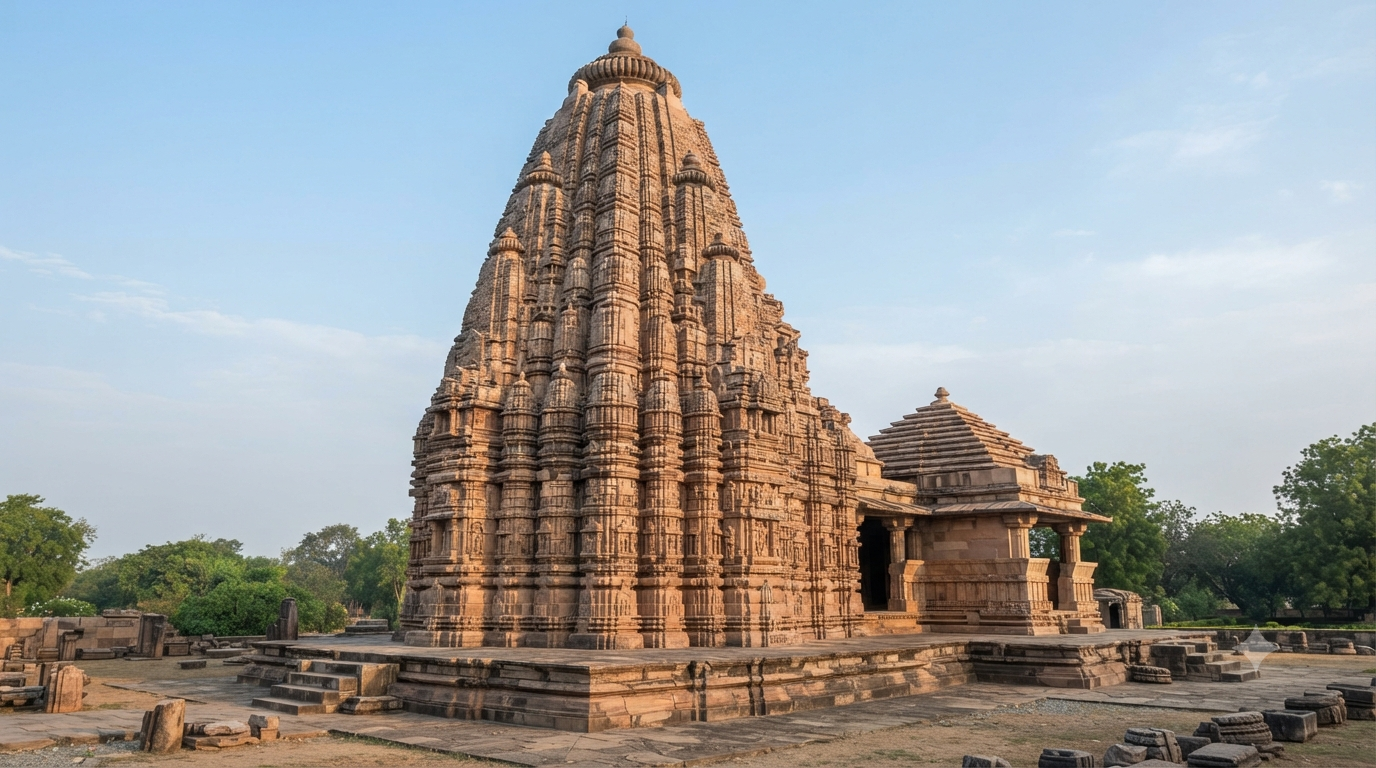
Bhumija temple towers use strong vertical spines and rows of miniature shrine forms. Learn to read their pattern and see how they differ from Shekhari.
Shekhari Temple Towers: Main Shikhara and Side Spires
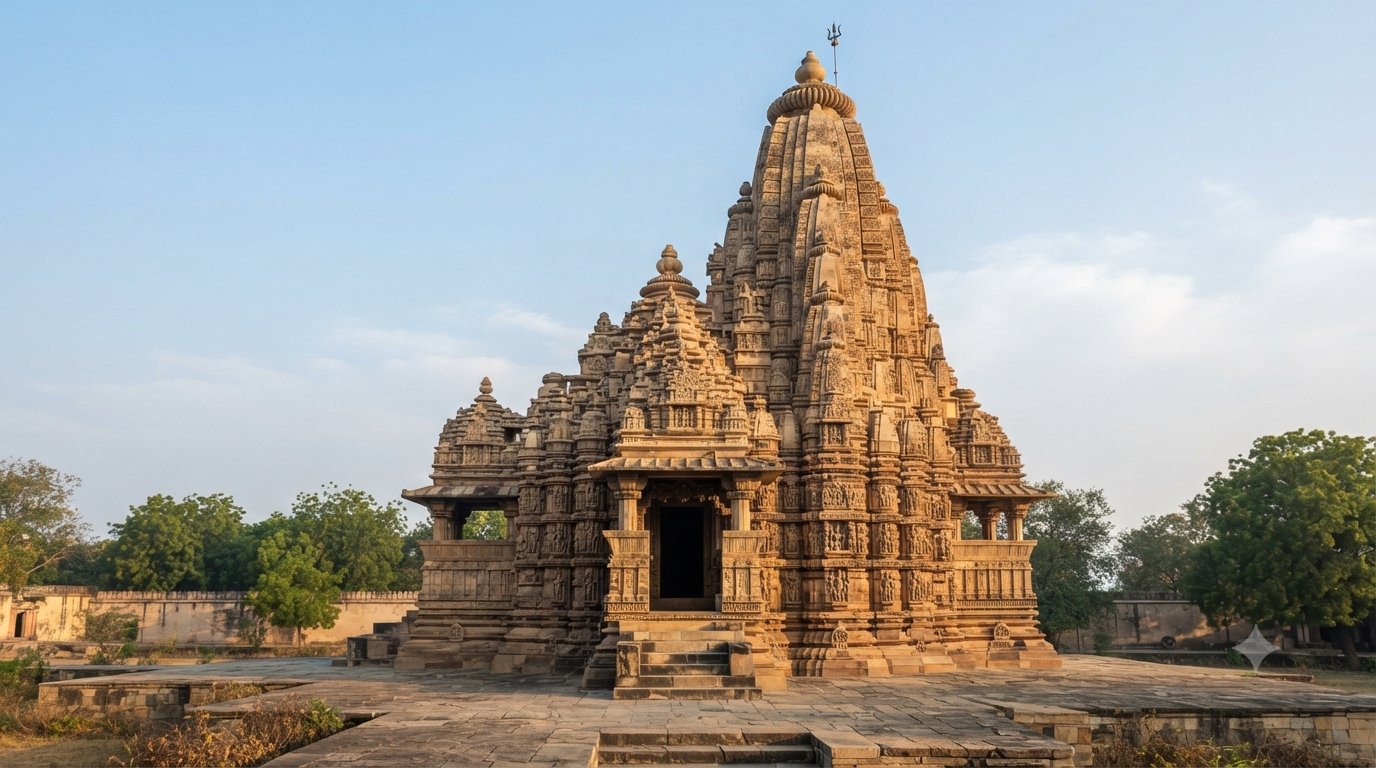
Shekhari temple towers use a principal shikhara and smaller attached spires. Learn the terms, view a labelled schematic, and compare Nagara tower forms.
Temple Bhadra Projection: Identifying Central Offsets
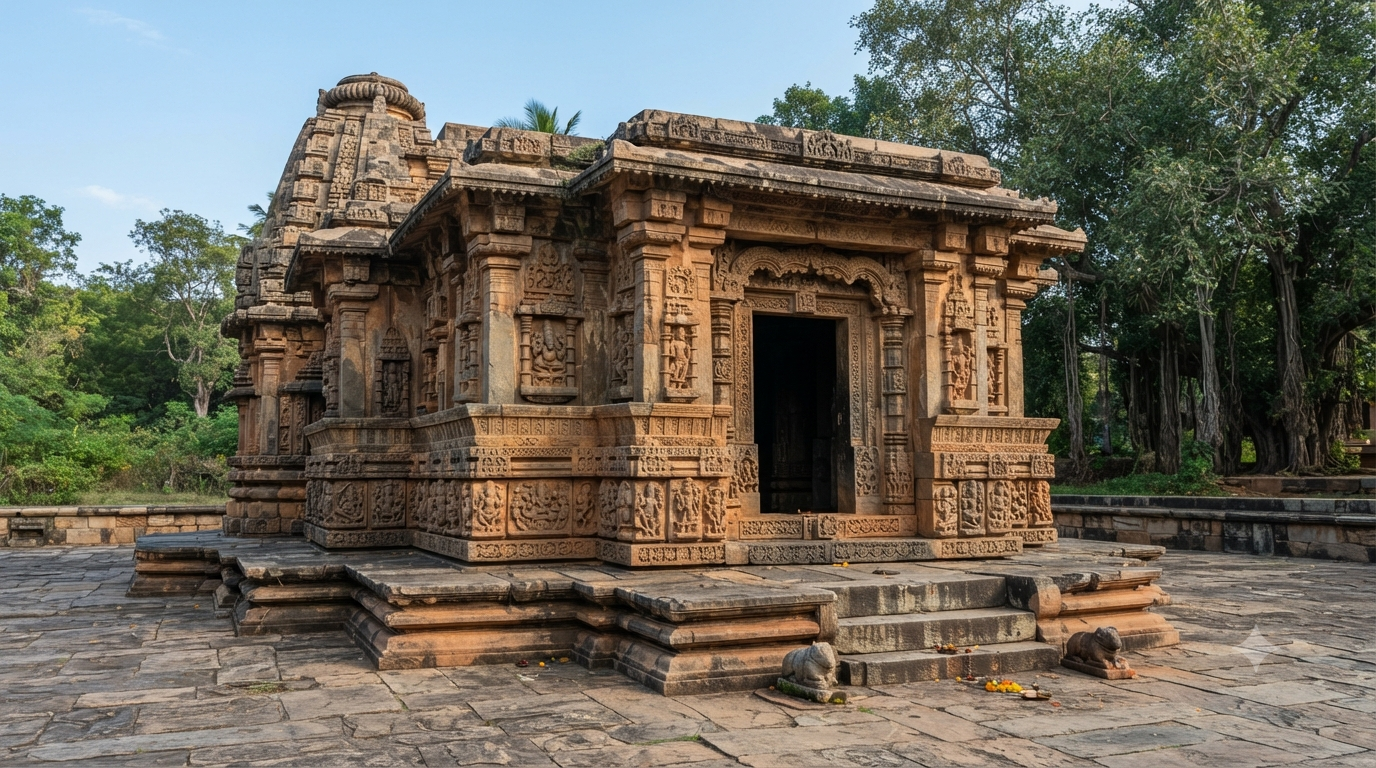
A temple bhadra projection is the central offset of a shrine wall. Explore a labelled plan, Getty’s definition, and key distinctions from halls and towers.
Temple Adhisthana Meaning: The Moulded Plinth Beneath Temple Walls
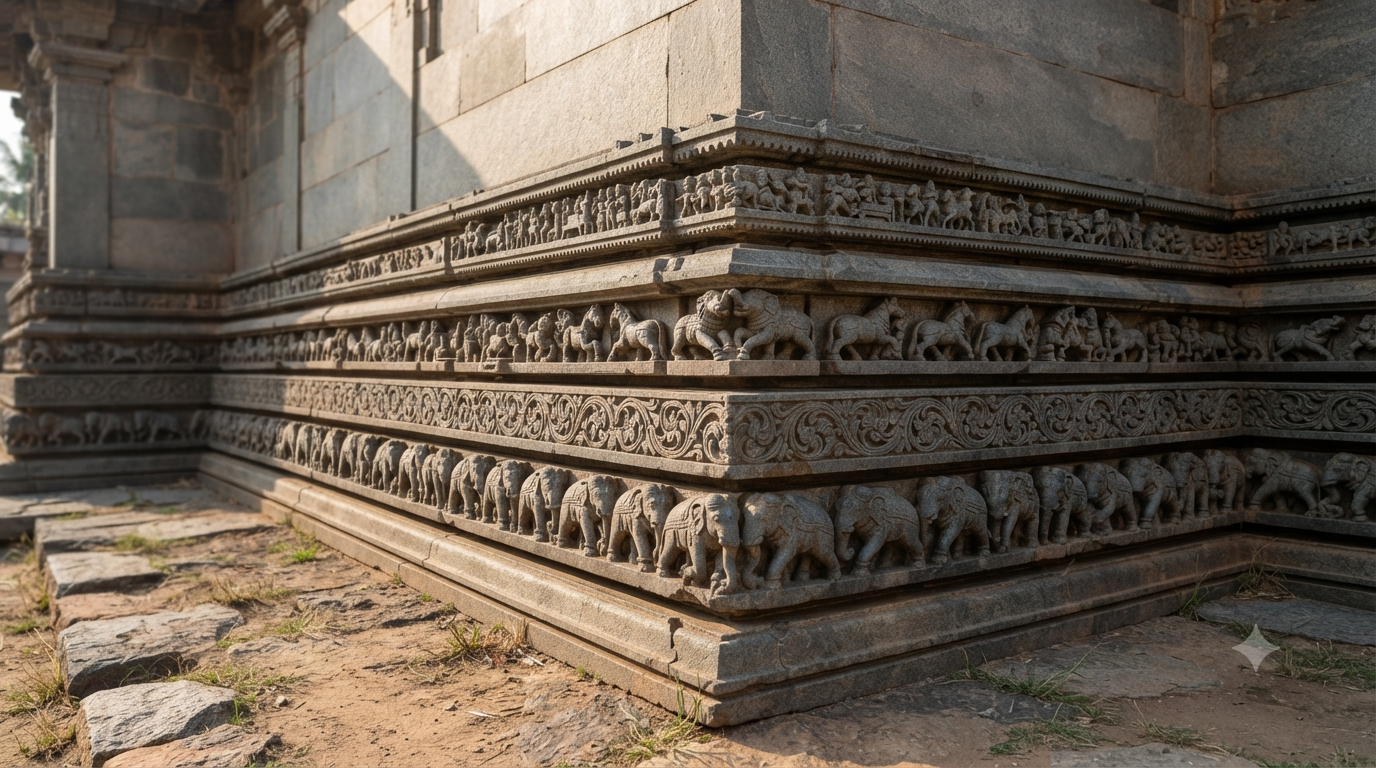
Temple adhisthana meaning becomes clear when you look below the shrine wall. Learn how plinth mouldings, Hoysala sculptural bands and jagati differ in practice.
Temple Jagati Meaning: The Raised Platform Beneath a Temple
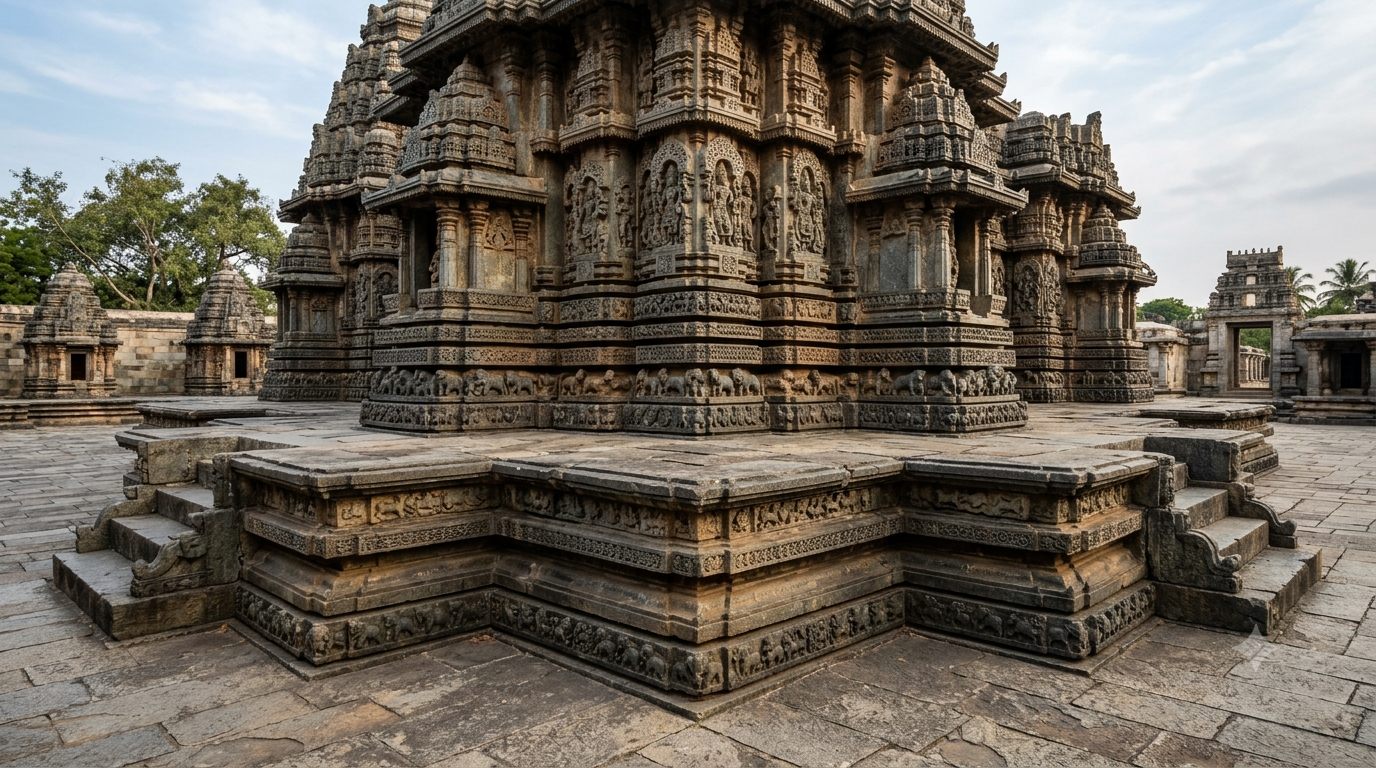
Temple jagati meaning is the raised stone platform beneath a shrine. Explore its purpose, star-shaped Hoysala examples at Belur and Somanathapura, and terms.
Temple Sukhanasa Meaning: Ornament Above the Shrine Entrance
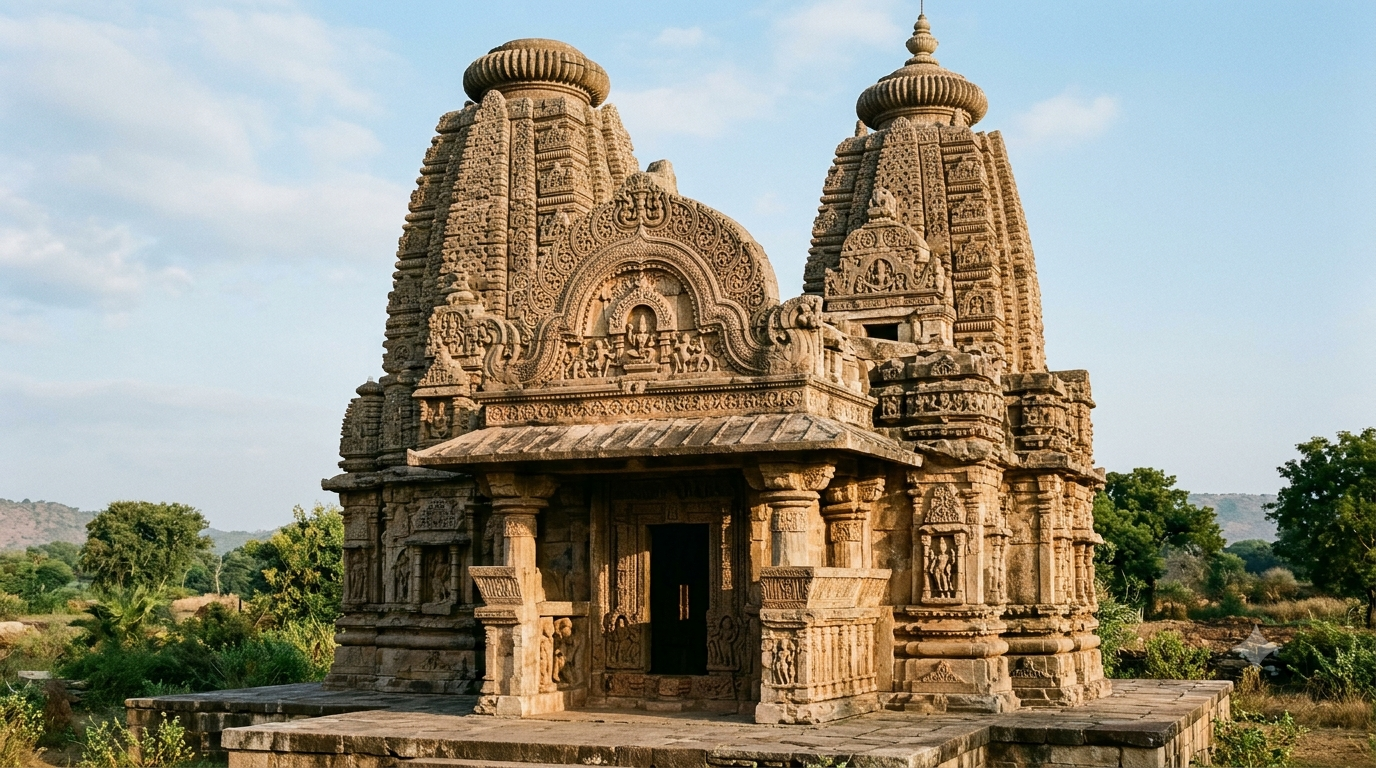
Temple sukhanasa meaning refers to a projecting shrine-tower feature above the vestibule. Learn how it differs from the antarala, shikhara and gopuram.
Temple Dvarapala Meaning: Shaiva and Vaishnava Temple Guardians
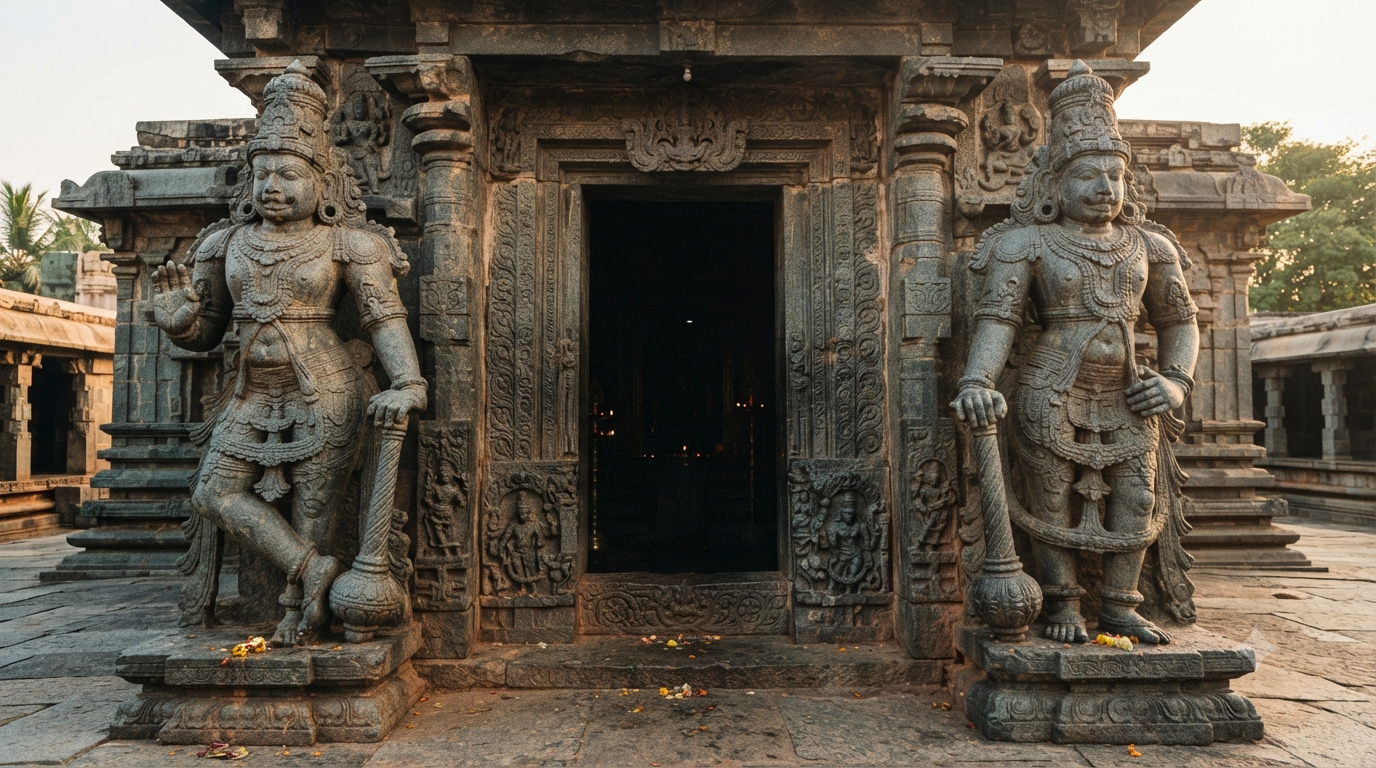
Temple dvarapala meaning goes beyond fearsome gatekeepers. Compare Shaiva and Vaishnava guardian attributes, poses and regional styles without fixed identities.
Temple Gavaksha Meaning: Chandrashala and Kudu Architectural Motifs
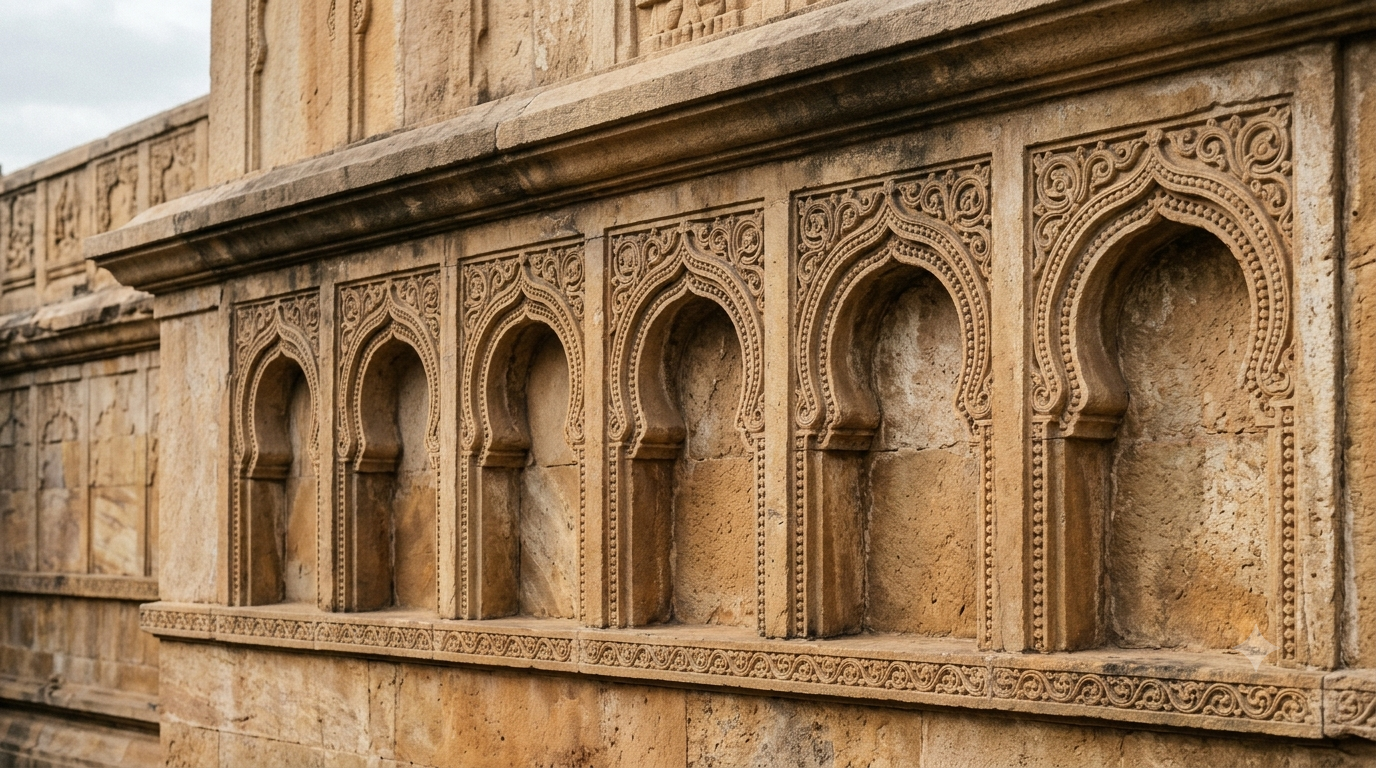
Temple gavaksha meaning explained with chandrashala and kudu arches, their roots in chaitya halls, and contrasts with real windows, toranas and gopurams.
Temple Torana Meaning: Carved Gateways and Arches in India
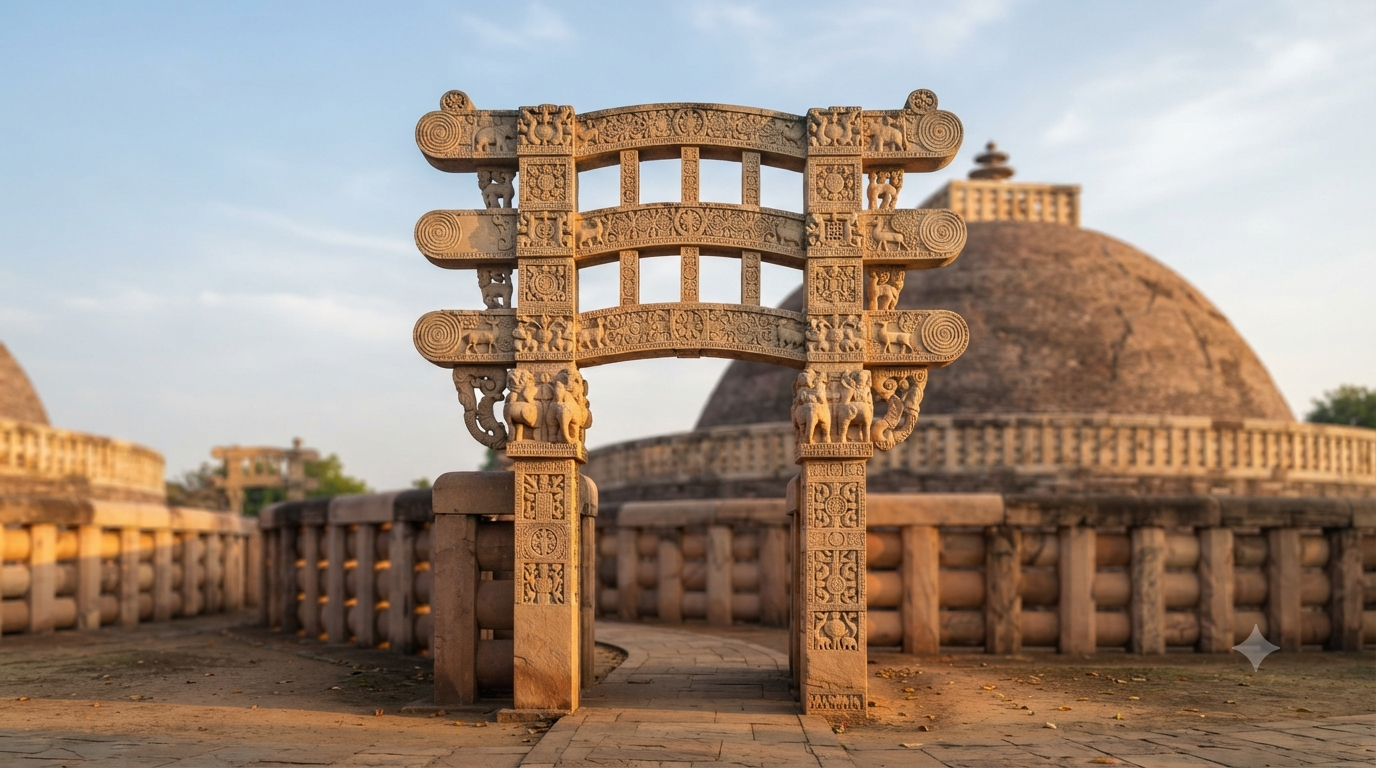
Temple torana meaning explained through Sanchi’s crossbeams, pillars and Buddhist carvings, plus Hindu arched gateways and key differences from gopurams.