Bikkavolu Vinayaka Temple History Darshan Timings Online Details
Bikkavolu Vinayaka Temple History is a fascinating tale of ancient spirituality, unique traditions and architectural splendour at one of Andhra Pradesh’s most revered Shiva-Ganapati temple complexes. Located in Bikkavolu village, East Godavari District, this sacred place has drawn devotees for centuries with its self-manifested Lord Vinayaka (Ganesha) idol, believed to grant devotees’ whispered wishes.
Quick Facts
| Attribute | Details |
|---|---|
| Temple Name | Sri Lakshmi Ganapathi (Bikkavolu Vinayaka Temple) |
| Location | Bikkavolu Village, East Godavari District, Andhra Pradesh, India |
| Darshan/Visiting Hours | Daily: ~6:00 AM – 8:00 PM (with specific puja segments) |
| Entry Fee | Free (Donations encouraged at temple) |
| Contact | 📞 +91-8341172934 |
| Nearest Towns | Rajahmundry (40 km), Kakinada (33 km) |
| Main Deity | Lord Vinayaka (Ganesha) – Swayambhu Idol |
History Of Bikkavolu Vinayaka Temple
The history of the Bikkavolu Vinayaka Temple dates back over a thousand years. Inscriptions and historical sources reveal that the temple was constructed by the Chalukyas around 840 AD, during a flourishing era of temple architecture in the region. For official information, visit Incredible India.
Moreover, local legend suggests the idol of Lord Vinayaka emerged naturally from the earth — a phenomenon known in Sanskrit as “Swayambhu”. Ancient accounts claim that the idol originally lay buried until a devotee saw it in a dream and led villagers to uncover it. Over time, the idol is believed to have grown in stature, inspiring deep devotion among generations of worshippers.
Bikkavolu itself was once called Birudankinavolu during the reign of Eastern Chalukyan kings like Gunaga Vijayaditya. The temple formed the nucleus of a sacred complex surrounded by other shrines including Nandi, Bhulingeswara, and Rajarajeshwari temples — each reflecting exquisite Chalukyan craftsmanship.
Temple Architecture And Significance
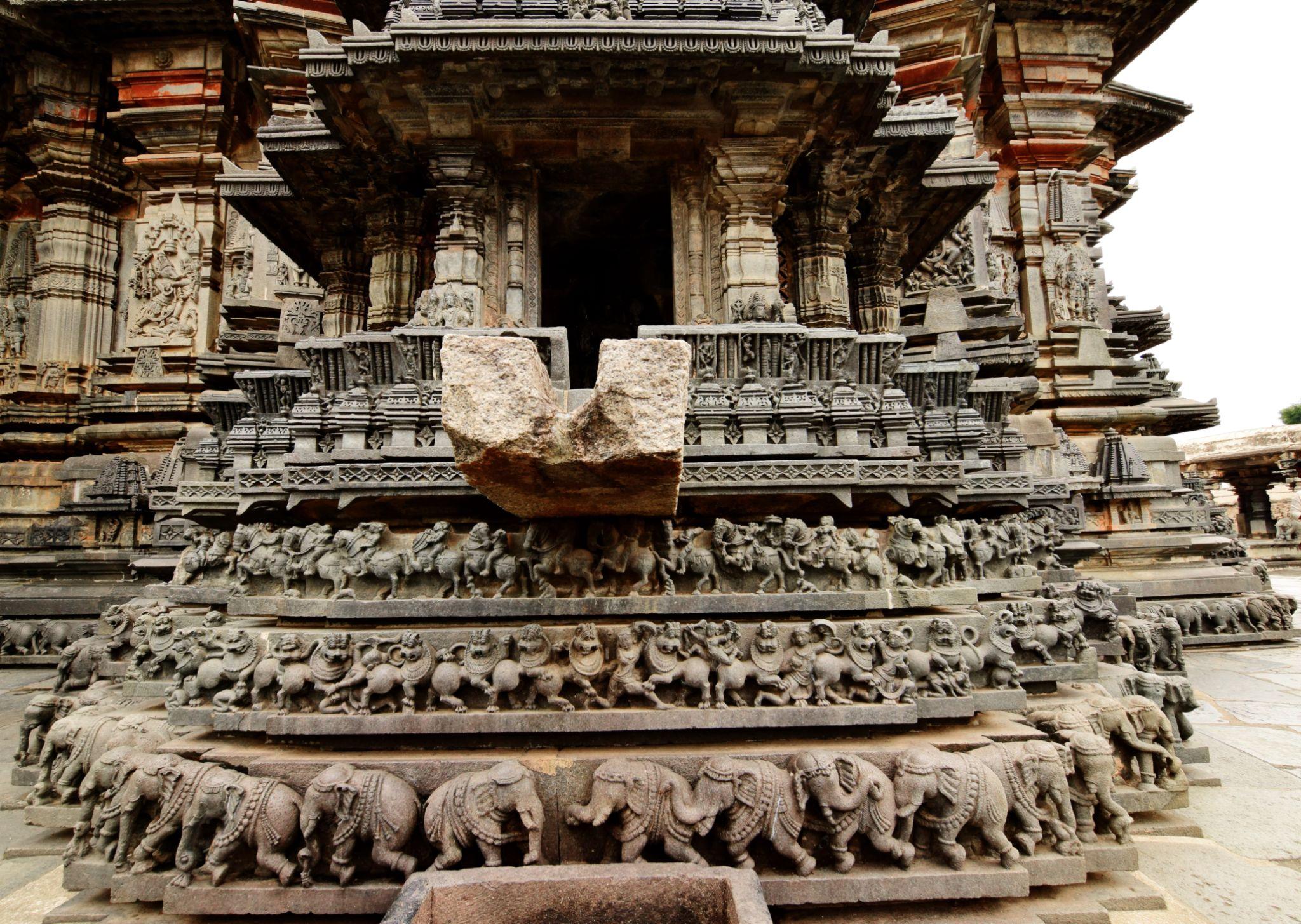
The temple’s architecture embodies typical Dravidian stone craftsmanship from the Chalukya period. Massive carved pillars and sculptures illustrate mythological tales and divine figures. The central shrine houses a seven-foot high Vinayaka idol, considered especially potent by devotees.
On the other hand, believers whisper their wishes into the deity’s ear — a tradition unique to this temple — with faith that these desires will be fulfilled. The spiritual aura combined with artistic splendour makes this a must-visit site for pilgrims and travellers alike.
Darshan Timings And Daily Rituals
The Bikkavolu Vinayaka Temple welcomes devotees throughout the day with structured darshan and puja sessions. According to local sacred records and temple authorities, the typical schedule is as follows:
| Session | Timings |
|---|---|
| Morning Pooja | 6:00 AM – 7:00 AM |
| Abhishekam | 7:00 AM – 8:00 AM |
| General Darshan | 8:00 AM – 12:30 PM |
| Afternoon Darshan | 1:00 PM – 5:00 PM |
| Evening Pooja | 5:00 PM – 5:30 PM |
| Evening Darshan | 5:30 PM – 8:00 PM |
Note: Special festival days such as Ganesh Chaturthi may have extended rituals and darshan timings. Advance inquiries with temple contacts or local authorities are recommended before planning your visit.
Booking And Online Details
Unlike larger temples with official online booking portals, the Bikkavolu Vinayaka Temple traditionally does not require advance online reservation for standard darshan. Visitors typically arrive in person or during temple open hours, with no compulsory ticketing or online system. Donations and offerings are accepted at the temple precincts.
Moreover, should you plan activities like special abhishekam (ritual bathing) or personalised puja, it’s advisable to call the temple office in advance at the number listed above. Local volunteers often assist devotees in arranging these services onsite.
How To Reach Bikkavolu Vinayaka Temple
By Air
The closest airport is Rajahmundry Airport (approx. 39 km from Bikkavolu). From the airport, you can hire a taxi or use regional buses to reach the temple.
By Train
The nearest major railway stations are at Rajahmundry (40 km) and Kakinada (33 km). Frequent trains connect these stations to major Indian cities. Once you arrive, you can take a cab or local bus to reach Bikkavolu village.
By Road
Bikkavolu is well connected via state highways to Rajahmundry, Kakinada and other Andhra towns. Regular buses run from nearby cities. If you’re self-driving, follow road signs towards Bikkavolu on NH216 and then local village roads. Local auto-rickshaws and taxis are available from nearby towns.
Visiting Bikkavolu Vinayaka Temple: What to Expect
Early in the morning, the Bikkavolu Vinayaka Temple has a calm stillness — the air feels charged with devotion. Notably, villagers gently guide visitors through rituals with warmth and patience. The way devotees whisper prayers into the deity’s ear makes the atmosphere feel deeply personal and reflective.
In contrast, arriving before the morning puja is recommended to observe traditional routines and witness the abhishekam ceremony. The scent of incense, rhythmic chants and the dappled sunlight falling on ancient stone pillars make the visit unforgettable.
Nearby Attractions And Distances
- Subrahmanya Swamy Temple – ~1–2 km: Another revered temple in Bikkavolu village, known for its Dravidian architecture.
- Golingeswara Swamy Temple – ~1 km: A historic Shiva shrine with detailed stone carvings.
- Rajahmundry City – ~40 km: A major pilgrimage and cultural hub.
- Kakinada Beach – ~33 km: A scenic coastal spot ideal for relaxation after temple tours.
Insider Tips For Visitors
- Visit early morning or late evening when the temple is less crowded.
- Respect local customs; dress modestly and remove footwear before entering the sacred precincts.
- Carry water and light snacks as local shops may be sparse in the immediate temple vicinity.
- Ask temple volunteers about special pooja timings for festivals like Ganesh Chaturthi.
Best Time To Visit
The ideal months to visit Bikkavolu Vinayaka Temple are October to February. The weather is cooler and more comfortable for exploring the temple complex on foot. Festive periods like Ganesh Chaturthi draw larger crowds but offer vibrant celebrations and deeper cultural immersion.
Frequently Asked Questions
Is there an entry fee?
No, general darshan is free. Devotees can offer voluntary donations. For special pujas, contacting the temple ahead of your visit is advised.
What is unique about the Bikkavolu Vinayaka Temple?
The temple’s self-manifested (Swayambhu) Vinayaka idol, the tradition of whispering wishes into the deity’s ear, and its ancient Chalukya heritage make it unique.
Is online booking available?
There is no widely known official online booking portal for darshan. For special rituals, it’s best to contact temple authorities by phone before arrival.
Can foreigners easily visit?
Yes. Foreign visitors are welcome. Just follow local protocols and inquire about special rituals if desired. Local guides often help with language and arrangements.
Visiting Bikkavolu Vinayaka Temple is not only a spiritual experience but also a cultural process into Andhra’s temple heritage — where history, faith and personal devotion intersect beautifully.